Ameer Ali Aziz, MSc 1 , Mansour Abdullah Falah, PhD 2
Authors affiliations:
Background & objectives: Fatigue is one of the most common complaints in the population and a normal response to physical exertion or stress, but can also be a sign of a physical disorder. Besides taking rest and massage therapy, various other modalities have been employed to combat severe or perpetual fatigue. This study aims to investigate the effectiveness of wet cupping therapy (WCT) in general body fatigue.
Methodology: We used a quasi-experimental design, a purposive sampling technique (non-probability) for sampling methods. A total of 50 participants from both genders were included. All participants were aged between 20 and 50 years and completed the questionnaire as a self-report measure. Data collection took place in multiple private nursing clinics, selected from different locations and during varied time intervals, to ensure broader coverage and accessibility. Individuals presenting with general body fatigue were identified and invited to report to clinical settings. Socio-demographic information, general health status, and score on a 10-point Fatigue Severity Scale (FSS), rated on a 5-point Likert scale (1 = strongly disagree to 5 = strongly agree), were recorded and documented for each participant. Based upon these observations, the fatigue severity was classified as low or severe fatigue.
The study’s aims and the intended procedures were clearly explained, and only those who voluntarily agreed to participate and fulfilled the inclusion criteria were enrolled in the final sample.
Results: WCT was effective in alleviating fatigue in the participants of this study. There was a highly significant difference between pre- and post-wet cupping, as the percentage of participants with low fatigue assessment fell from 38% to 74%, and in participants with severe fatigue, it decreased from 18% to 0%.
Conclusion: Wet cupping therapy has a statistically significant positive effect on reducing general fatigue among participants. The post-treatment assessments indicated a marked improvement in fatigue levels, highlighting the therapeutic potential of this traditional intervention in managing non-specific fatigue symptoms.
Abbreviations: CAM: complementary and alternative medicine, FSS: Fatigue Severity Scale, WCT: wet cupping therapy,
Keywords: General Fatigue; Hijama; Likert scale; Purposive sampling technique; Traditional Complementary Medicine; Wet Cupping Therapy
Citation: Aziz AA, Falah MA. Wet cupping therapy is effective in alleviating general body fatigue. Anaesth. pain intensive care 2025;29(6):588-593.
DOI: 10.35975/apic.v29i6.2918
Received: July 20, 2025; Revised: August 22, 2025; Accepted: August 27, 2025
Fatigue is a personal perception of extreme tiredness that impairs their quality of life, physical and mental abilities, activity levels, and performance.1 Fatigue accumulation, if not resolved, leads to chronic fatigue syndrome (CFS).2 There are many different fatigue classification methods according to its duration; fatigue can be classified into acute fatigue and chronic fatigue. Acute fatigue can be quickly relieved by rest or lifestyle changes lead to a major challenge that threatens the physical and mental health of individuals, whereas chronic fatigue is a condition defined as a persistent tiredness lasting three months that is not ameliorated by rest.1,3
Fatigue can also be classified as mental fatigue, which refers to the cognitive or perceptual aspects of fatigue, and physical fatigue, which refers to the performance of the motor system. Psychological and behavioral factors also play a significant role in fatigue. Anxiety, depression, poor sleep quality, and lack of physical activity have all been consistently associated with increased fatigue severity.4 The cyclical nature of fatigue, where exhaustion leads to reduced activity, which in turn contributes to further deconditioning, highlights the need for interdisciplinary treatment approaches.5 As a multifactorial and intricate condition, fatigue has a wide range of underlying causes and significant effects on both personal well-being and public health. Its effective assessment and management require a comprehensive approach that incorporates biomedical, psychological, and social dimensions.6 The significant burden of fatigue across diverse populations emphasizes the need for effective management strategies within public health systems.7
Cupping therapy is a major integral part of complementary and alternative medicine (CAM). It is described as a technique that involves a glass, plastic or bamboo cup to create localized pressure on the patient's skin over precise acupuncture points, painful area, or a reflex zone. To date, cupping therapy has been widely utilized and practiced in different cultures, like East Asia, the Middle East, and Central and Northern Europe.8 Several techniques from traditional cupping, where skin incisions are made to allow blood and other body fluids to escape, to dry cupping and cupping massage, where no such incisions are made, are available. According to common theories, the effects of cupping may include increased microcirculation, tissue detoxification, and a subsequent relief of painful muscle tension and it is believed that many psychological modalities.9,10
Nurses play a vital role in the application of cupping therapy, particularly within integrative and complementary medicine settings. Their responsibilities include patient assessment, preparation for the procedure, procedure, monitoring for adverse reactions, ensuring infection control, providing education, and evaluating outcomes. Studies have emphasized that proper training and inclusion of cupping therapy within nursing education can significantly improve its safe and effective use in clinical practice.11
A quasi-experimental design was used to investigate the relationship between wet cupping therapy (WCT)_and general fatigue. The researcher in the present study used informed consent to protect participant rights. Before beginning the study, the researcher obtains a formal agreement from the Medical Research Ethics Committee (MREC) for ethical study approval in compliance with the requirements for conducting human.
The Nursing Syndicate in Najaf was the designated site to obtain the necessary sample. The purposive sampling technique, which is a type of non-probability sampling method, was chosen in order to collect accurate and representative data, and 50 adults participated in a study. All individuals included in the study experience symptoms of fatigue and visit nursing clinics at varying frequencies to undergo cupping therapy. Some have previously received the therapy, while others are seeking it for the first time. The majority were motivated to pursue cupping based on recommendations from friends, aiming to improve their overall health status and alleviate the symptoms they were experiencing. The most commonly reported symptoms included tiredness, lightheadedness, sleep disturbances (insomnia or non-restorative sleep), inability to concentrate, lack of energy, headaches, and, in some cases, severe exhaustion. Fifty individuals were selected for the cupping therapy group based on specific.
Adults aged between 20 and 50 years at the time of the study; individuals experiencing general fatigue symptoms such as chronic tiredness, lethargy, and poor concentration; participants who had either previously undergone cupping therapy or were seeking it for the first time; both males and females were included; all participants were of Arabic nationality; individuals were required to be cooperative, able to understand the study instructions, and willing to participate voluntarily. Participants with diagnosed psychiatric or neurological disorders, or those taking medications that could interfere with fatigue symptoms, were excluded from the study.
Part I: Socio-demographic information of the
participants undergoing cupping therapy consisted of five key items, and additional information related to accompanying individuals (when applicable) included three supplementary items.
Part II: General health status history comprising six objectives.
Part III: Fatigue Severity Scale (FSS), which includes 10 items, rated on a 5-point Likert scale (1 = strongly disagree to 5 = strongly agree), designed to assess the impact of fatigue on daily functioning.
Part IV: General responses after cupping therapy are composed of six items. This tool is suitable for adults and has been validated for distinguishing between normal fatigue levels and those related to chronic conditions.
The current study was conducted on 50 participants, with a mean age of 39.42 ± 10 years, ranging from 21 to >5 0years. The age group 41-50 years had the highest percentage 28%, while the age group >50 years had the lowest percentage 20% and most of them were males; 66% vs. 34%. 50% of the participants were employed, and 4% were jobless. The majority of participants, 94% were urban dwellers, and only 6% lived in rural areas.
The percentage of participants who had used cupping therapy before this study was 58% for any cause. The motivation for cupping therapy to improve health conditions was 92% and personal knowledge was 8%, while 58% of them received information about cupping therapy from friends, and 12% from the internet.
Table 2 shows the responses of the participants about the assessment of general fatigue pre-WCT, where the overall assessment was moderate. The evaluation of all questions was moderate; regarding the evaluation of (enough energy for daily life) and (concentration when thinking) were the highest percentages (78% and 62%).
The responses of participants about the assessment of general fatigue post-WCT are given in Table 3. The overall assessment was low. Except that the evaluation regarding ‘Don’t do much during the day’ question was moderate. Table 4 shows the responses of participants about their general fatigue. There is a highly significant difference between pre- and post-WCT responses, as the percentage of participants with low fatigue assessment increased from 38% to 74%. On the other hand, the percentage of participants with severe fatigue decreased from 18% to 0%.
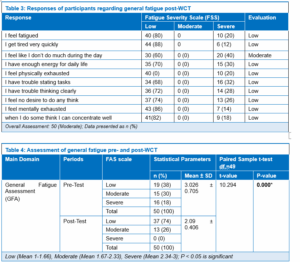
Table 5 shows the association between participant's demographic data and fatigue assessment post-WCT. It was found that the relief in FSS was significantly associated with age and gender (P = 0.002, P = 0.015) respectively, while the remaining variables had no significant association with their socio-demographic characteristics.
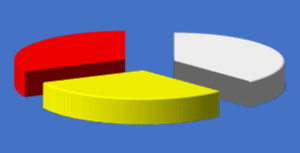
Figure 1: The overall assessment of general fatigue status pre wet cupping therapy
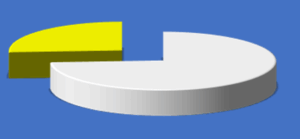
Figure 2: The overall assessment of general fatigue status post wet cupping therapy
The current study was conducted on a sample of 50 participants, with a mean age of 39.42 ± 10.94 years.
The majority of participants (28%) were within the 41–50 age group, while the smallest proportion (20%) was above 50 years. Experience with cupping therapy varied among participants; 58% had previously undergone the procedure, while 42% had not. The primary motivation for undergoing cupping therapy was to improve health status (92%), while 8% were driven by personal knowledge. Regarding sources of information, the majority of participants reported learning about cupping therapy from friends, whereas 12% received information via online networks. Participants’ perceptions of general fatigue before receiving WCT Indicated an overall moderate level. Most responses were evaluated as moderate, especially for items such as having enough energy for daily activities (78%) and the ability to concentrate (62%). Very few participants rated these symptoms as severe (2% and 0%, respectively). Following WCT, participants reported a general decrease in fatigue levels, with most responses shifting to a low fatigue assessment. The only exception was the item “not doing much during the day,” which remained at a moderate level. A significant improvement was observed when comparing fatigue levels before and after the therapy: the percentage of participants reporting low fatigue increased from 38% to 74%, while those experiencing severe fatigue dropped from 18% to 0%. Finally, analysis of the association between demographic variables and post-therapy fatigue levels revealed a highly significant relationship with age (P = 0.002) and gender (P = 0.015). However, no significant associations were found with other socio-demographic factors.11
The findings of this study demonstrate that wet cupping therapy has a significant positive effect on reducing symptoms of general fatigue among adult participants. A marked improvement was observed in fatigue levels post-intervention, with a notable increase in the proportion of individuals reporting low fatigue and a complete elimination of severe fatigue. These outcomes suggest that wet cupping therapy can serve as an effective complementary approach in managing general fatigue, particularly among individuals seeking non-pharmacological interventions. These results support the integration of cupping therapy within nursing and holistic care practices, especially for populations experiencing chronic fatigue symptoms.
7. Data availability
The numerical data generated during this research is available with the authors.
8. Conflict of interest
All authors declare that there was no conflict of interest.
9. Funding
The study utilized the hospital resources only, and no external or industry funding was involved.
10. Authors’ contribution
AMA: Study design and supervision, screening and eligibility assessment, quality assessment, review and editing of the manuscript. Final approval
MAF: Study design, systematic literature search, screening and eligibility assessment, writing the screening and eligibility assessment, review, and editing of the manuscript.
Authors affiliations:
- Ameer Ali Aziz, Department of Community Health Nursing, Faculty of Nursing, University of Kufa, Kufa, Iraq; Email: ameera.alkaabi@student.uokufa.edu.iq
- Mansour Abdullah Falah, Professor, Department of Community Health Nursing, Faculty of Nursing, University of Kufa, Kufa, Iraq; Email: mansura.alfatlawi@uokufa.edu.iq
ABSTRACT
Background & objectives: Fatigue is one of the most common complaints in the population and a normal response to physical exertion or stress, but can also be a sign of a physical disorder. Besides taking rest and massage therapy, various other modalities have been employed to combat severe or perpetual fatigue. This study aims to investigate the effectiveness of wet cupping therapy (WCT) in general body fatigue.
Methodology: We used a quasi-experimental design, a purposive sampling technique (non-probability) for sampling methods. A total of 50 participants from both genders were included. All participants were aged between 20 and 50 years and completed the questionnaire as a self-report measure. Data collection took place in multiple private nursing clinics, selected from different locations and during varied time intervals, to ensure broader coverage and accessibility. Individuals presenting with general body fatigue were identified and invited to report to clinical settings. Socio-demographic information, general health status, and score on a 10-point Fatigue Severity Scale (FSS), rated on a 5-point Likert scale (1 = strongly disagree to 5 = strongly agree), were recorded and documented for each participant. Based upon these observations, the fatigue severity was classified as low or severe fatigue.
The study’s aims and the intended procedures were clearly explained, and only those who voluntarily agreed to participate and fulfilled the inclusion criteria were enrolled in the final sample.
Results: WCT was effective in alleviating fatigue in the participants of this study. There was a highly significant difference between pre- and post-wet cupping, as the percentage of participants with low fatigue assessment fell from 38% to 74%, and in participants with severe fatigue, it decreased from 18% to 0%.
Conclusion: Wet cupping therapy has a statistically significant positive effect on reducing general fatigue among participants. The post-treatment assessments indicated a marked improvement in fatigue levels, highlighting the therapeutic potential of this traditional intervention in managing non-specific fatigue symptoms.
Abbreviations: CAM: complementary and alternative medicine, FSS: Fatigue Severity Scale, WCT: wet cupping therapy,
Keywords: General Fatigue; Hijama; Likert scale; Purposive sampling technique; Traditional Complementary Medicine; Wet Cupping Therapy
Citation: Aziz AA, Falah MA. Wet cupping therapy is effective in alleviating general body fatigue. Anaesth. pain intensive care 2025;29(6):588-593.
DOI: 10.35975/apic.v29i6.2918
Received: July 20, 2025; Revised: August 22, 2025; Accepted: August 27, 2025
1. INTRODUCTION
Fatigue is a personal perception of extreme tiredness that impairs their quality of life, physical and mental abilities, activity levels, and performance.1 Fatigue accumulation, if not resolved, leads to chronic fatigue syndrome (CFS).2 There are many different fatigue classification methods according to its duration; fatigue can be classified into acute fatigue and chronic fatigue. Acute fatigue can be quickly relieved by rest or lifestyle changes lead to a major challenge that threatens the physical and mental health of individuals, whereas chronic fatigue is a condition defined as a persistent tiredness lasting three months that is not ameliorated by rest.1,3
Fatigue can also be classified as mental fatigue, which refers to the cognitive or perceptual aspects of fatigue, and physical fatigue, which refers to the performance of the motor system. Psychological and behavioral factors also play a significant role in fatigue. Anxiety, depression, poor sleep quality, and lack of physical activity have all been consistently associated with increased fatigue severity.4 The cyclical nature of fatigue, where exhaustion leads to reduced activity, which in turn contributes to further deconditioning, highlights the need for interdisciplinary treatment approaches.5 As a multifactorial and intricate condition, fatigue has a wide range of underlying causes and significant effects on both personal well-being and public health. Its effective assessment and management require a comprehensive approach that incorporates biomedical, psychological, and social dimensions.6 The significant burden of fatigue across diverse populations emphasizes the need for effective management strategies within public health systems.7
Cupping therapy is a major integral part of complementary and alternative medicine (CAM). It is described as a technique that involves a glass, plastic or bamboo cup to create localized pressure on the patient's skin over precise acupuncture points, painful area, or a reflex zone. To date, cupping therapy has been widely utilized and practiced in different cultures, like East Asia, the Middle East, and Central and Northern Europe.8 Several techniques from traditional cupping, where skin incisions are made to allow blood and other body fluids to escape, to dry cupping and cupping massage, where no such incisions are made, are available. According to common theories, the effects of cupping may include increased microcirculation, tissue detoxification, and a subsequent relief of painful muscle tension and it is believed that many psychological modalities.9,10
Nurses play a vital role in the application of cupping therapy, particularly within integrative and complementary medicine settings. Their responsibilities include patient assessment, preparation for the procedure, procedure, monitoring for adverse reactions, ensuring infection control, providing education, and evaluating outcomes. Studies have emphasized that proper training and inclusion of cupping therapy within nursing education can significantly improve its safe and effective use in clinical practice.11
2. METHODOLOGY
A quasi-experimental design was used to investigate the relationship between wet cupping therapy (WCT)_and general fatigue. The researcher in the present study used informed consent to protect participant rights. Before beginning the study, the researcher obtains a formal agreement from the Medical Research Ethics Committee (MREC) for ethical study approval in compliance with the requirements for conducting human.
The Nursing Syndicate in Najaf was the designated site to obtain the necessary sample. The purposive sampling technique, which is a type of non-probability sampling method, was chosen in order to collect accurate and representative data, and 50 adults participated in a study. All individuals included in the study experience symptoms of fatigue and visit nursing clinics at varying frequencies to undergo cupping therapy. Some have previously received the therapy, while others are seeking it for the first time. The majority were motivated to pursue cupping based on recommendations from friends, aiming to improve their overall health status and alleviate the symptoms they were experiencing. The most commonly reported symptoms included tiredness, lightheadedness, sleep disturbances (insomnia or non-restorative sleep), inability to concentrate, lack of energy, headaches, and, in some cases, severe exhaustion. Fifty individuals were selected for the cupping therapy group based on specific.
Adults aged between 20 and 50 years at the time of the study; individuals experiencing general fatigue symptoms such as chronic tiredness, lethargy, and poor concentration; participants who had either previously undergone cupping therapy or were seeking it for the first time; both males and females were included; all participants were of Arabic nationality; individuals were required to be cooperative, able to understand the study instructions, and willing to participate voluntarily. Participants with diagnosed psychiatric or neurological disorders, or those taking medications that could interfere with fatigue symptoms, were excluded from the study.
- Data Collection
Part I: Socio-demographic information of the
participants undergoing cupping therapy consisted of five key items, and additional information related to accompanying individuals (when applicable) included three supplementary items.
Part II: General health status history comprising six objectives.
Part III: Fatigue Severity Scale (FSS), which includes 10 items, rated on a 5-point Likert scale (1 = strongly disagree to 5 = strongly agree), designed to assess the impact of fatigue on daily functioning.
Part IV: General responses after cupping therapy are composed of six items. This tool is suitable for adults and has been validated for distinguishing between normal fatigue levels and those related to chronic conditions.
3. RESULTS
The current study was conducted on 50 participants, with a mean age of 39.42 ± 10 years, ranging from 21 to >5 0years. The age group 41-50 years had the highest percentage 28%, while the age group >50 years had the lowest percentage 20% and most of them were males; 66% vs. 34%. 50% of the participants were employed, and 4% were jobless. The majority of participants, 94% were urban dwellers, and only 6% lived in rural areas.
The percentage of participants who had used cupping therapy before this study was 58% for any cause. The motivation for cupping therapy to improve health conditions was 92% and personal knowledge was 8%, while 58% of them received information about cupping therapy from friends, and 12% from the internet.
| Table 1: Demographic characteristics | ||
| Variables | Rating and Interval | n (%) |
| Age (years) | 21-30 | 13 (26) |
| 31-40 | 13 (26) | |
| 41-50 | 14 (28) | |
| >50 | 10 (20) | |
| Gender | Male | 33 (66) |
| Female | 17 (34) | |
| Profession | Employer | 25 (50) |
| Free job | 16 (32) | |
| House-Wife | 7 (14) | |
| Jobless | 2 (4) | |
| Educational level | Illiteracy | 4 (8) |
| Primary school | 9 (18) | |
| Intermediate school | 7 (14) | |
| Tertiary school | 7 (14) | |
| College | 23 (46) | |
| Residence | Urban | 47 (94) |
| Rural | 3 (6) | |
| Have you ever tried cupping therapy before? | Yes | 29 (58) |
| No | 21 (42) | |
| What motivated you to undergo cupping therapy? | Improving health condition | 46 (92) |
| Personal knowledge | 4 (8) | |
| Have you received any information about cupping therapy? | Medical knowledge | 15 (30) |
| From friend | 29 (58) | |
| From Net work | 6 (12) | |
Table 2 shows the responses of the participants about the assessment of general fatigue pre-WCT, where the overall assessment was moderate. The evaluation of all questions was moderate; regarding the evaluation of (enough energy for daily life) and (concentration when thinking) were the highest percentages (78% and 62%).
| Table 2: Responses of participants regarding general fatigue pre-wet cupping therapy
(n = 50) |
||||
| Response | Fatigue Severity Scale (FSS) | Evaluation | ||
| Low | Moderate | Severe | ||
| I feel fatigued | 14 (28) | 22 (44) | 14 (28) | Moderate |
| I get tired very quickly | 17 (34) | 25 (50) | 8 (16) | Moderate |
| I feel like I don’t do much during the day | 18 (36) | 29 (58) | 3 (6) | Moderate |
| I have enough energy for daily life | 10 (20) | 39 (78) | 1 (2) | Moderate |
| I feel physically exhausted | 16 (32) | 28 (56) | 6 (12) | Moderate |
| I have trouble stating tasks | 18 (36) | 29 (58) | 3 (6) | Moderate |
| I have trouble thinking clearly | 24 (48) | 24 (48) | 2 (4) | Moderate |
| I feel no desire to do anything | 21 (42) | 27 (54) | 2 (4) | Moderate |
| I feel mentally exhausted | 25 (50) | 23 (46) | 2 (4) | Moderate |
| When I do something, I cannot concentrate well | 19 (38) | 31 (62) | 0 (0) | Moderate |
| Overall Assessment: 50 (Moderate); Data presented as n (%) | ||||
The responses of participants about the assessment of general fatigue post-WCT are given in Table 3. The overall assessment was low. Except that the evaluation regarding ‘Don’t do much during the day’ question was moderate. Table 4 shows the responses of participants about their general fatigue. There is a highly significant difference between pre- and post-WCT responses, as the percentage of participants with low fatigue assessment increased from 38% to 74%. On the other hand, the percentage of participants with severe fatigue decreased from 18% to 0%.
Table 5 shows the association between participant's demographic data and fatigue assessment post-WCT. It was found that the relief in FSS was significantly associated with age and gender (P = 0.002, P = 0.015) respectively, while the remaining variables had no significant association with their socio-demographic characteristics.
| Table 5: Association between demographic data and fatigue assessment post-WCT | ||||||
| Demographic characteristics | Fatigue Severity Scale (FSS) | Total | P-value | |||
| Low | Moderate | Severe | ||||
| Age (years) | 21-30 | 13 (100) | 0 (0) | 0 (0) | 13 | 0.002 |
| 31-40 | 12 (92) | 1 (8) | 0 (0) | 13 | ||
| 41-50 | 6 (43) | 8 (57) | 0 (0) | 14 | ||
| >50 | 6 (60) | 4 (40) | 0 (0) | 10 | ||
| Total | 37 (74) | 13 (26) | 0 (0) | 50 | ||
| Gender | Male | 28 (85) | 5 (15) | 0 (0) | 33 | 0.015 |
| Female | 9 (53) | 8 (47) | 0 (0) | 17 | ||
| Total | 37 (74) | 13 (26) | 0 (0) | 50 | ||
| Profession | Employer | 20 (80) | 5 (20) | 0 (0) | 25 | 0.018 |
| Free job | 14 (87.5) | 2 (12.5) | 0 (0) | 16 | ||
| House-Wife | 2 (28.5) | 5 (71.5) | 0 (0) | 7 | ||
| Jobless | 1 (50) | 1 (50) | 0 (0) | 2 | ||
| Total | 37 (74) | 13 (26) | 0 (0) | 50 | ||
| Educational level | Illiteracy | 3 (75) | 1 (25) | 0 (0) | 4 | 0.078 |
| Primary school | 6 (67) | 3 (33) | 0 (0) | 9 | ||
| Intermediate school | 3 (43) | 4 (57) | 0 (0) | 7 | ||
| Tertiary school | 4 (57) | 3 (43) | 0 (0) | 7 | ||
| College | 21 (91) | 2 (9) | 0 (0) | 23 | ||
| Total | 37 (74) | 13 (26) | 0 (0) | 50 | ||
| Residence | Urban | 34 (72) | 13 (28) | 0 (0) | 47 | 0.290 |
| Rural | 3 (100) | 0 (0) | 0 (0) | 3 | ||
| Total | 37 (74) | 13 (26) | 0 (0) | 50 | ||
| Have you ever tried cupping therapy before? | Yes | 21 (72) | 8 (28) | 0 (0) | 29 | 0.764 |
| No | 16 (76) | 5 (24) | 0 (0) | 21 | ||
| Total | 37 (74) | 13 (26) | 0 (0) | 50 | ||
| What motivated you to undergo cupping therapy? | Improving health condition | 33 (72) | 13 (28) | 0 (0) | 46 | 0.216 |
| Personal knowledge | 4 (100) | 0 (0) | 0 (0) | 4 | ||
| Total | 37 (74) | 13 (26) | 0 (0) | 50 | ||
| Have you received any information about cupping therapy? | Medical knowledge | 11 (73) | 4 (27) | 0 (0) | 15 | 0.868 |
| From friend | 20 (71.5) | 8 (28.5) | 0 (0) | 28 | ||
| From Internet | 6 (86) | 1 (14) | 0 (0) | 7 | ||
| Total | 37 (74) | 13 (26) | 0 (0) | 50 | ||
| *Significant difference between proportions using Pearson Chi-square test at 0.05 level. | ||||||
Figure 1: The overall assessment of general fatigue status pre wet cupping therapy
Figure 2: The overall assessment of general fatigue status post wet cupping therapy
4. DISCUSSION
The current study was conducted on a sample of 50 participants, with a mean age of 39.42 ± 10.94 years.
The majority of participants (28%) were within the 41–50 age group, while the smallest proportion (20%) was above 50 years. Experience with cupping therapy varied among participants; 58% had previously undergone the procedure, while 42% had not. The primary motivation for undergoing cupping therapy was to improve health status (92%), while 8% were driven by personal knowledge. Regarding sources of information, the majority of participants reported learning about cupping therapy from friends, whereas 12% received information via online networks. Participants’ perceptions of general fatigue before receiving WCT Indicated an overall moderate level. Most responses were evaluated as moderate, especially for items such as having enough energy for daily activities (78%) and the ability to concentrate (62%). Very few participants rated these symptoms as severe (2% and 0%, respectively). Following WCT, participants reported a general decrease in fatigue levels, with most responses shifting to a low fatigue assessment. The only exception was the item “not doing much during the day,” which remained at a moderate level. A significant improvement was observed when comparing fatigue levels before and after the therapy: the percentage of participants reporting low fatigue increased from 38% to 74%, while those experiencing severe fatigue dropped from 18% to 0%. Finally, analysis of the association between demographic variables and post-therapy fatigue levels revealed a highly significant relationship with age (P = 0.002) and gender (P = 0.015). However, no significant associations were found with other socio-demographic factors.11
5. CONCLUSION
The findings of this study demonstrate that wet cupping therapy has a significant positive effect on reducing symptoms of general fatigue among adult participants. A marked improvement was observed in fatigue levels post-intervention, with a notable increase in the proportion of individuals reporting low fatigue and a complete elimination of severe fatigue. These outcomes suggest that wet cupping therapy can serve as an effective complementary approach in managing general fatigue, particularly among individuals seeking non-pharmacological interventions. These results support the integration of cupping therapy within nursing and holistic care practices, especially for populations experiencing chronic fatigue symptoms.
7. Data availability
The numerical data generated during this research is available with the authors.
8. Conflict of interest
All authors declare that there was no conflict of interest.
9. Funding
The study utilized the hospital resources only, and no external or industry funding was involved.
10. Authors’ contribution
AMA: Study design and supervision, screening and eligibility assessment, quality assessment, review and editing of the manuscript. Final approval
MAF: Study design, systematic literature search, screening and eligibility assessment, writing the screening and eligibility assessment, review, and editing of the manuscript.
11. REFERENCES
- Abod AF, Al-Ashour IA. Fatigue and health-related quality of life among hepatitis and non-hepatitis patients undergoing hemodialysis. Kufa J Nurs Sci. 2024;14(1):258-70. DOI: 36321/kjns.vi202401.16148
- Al-Murshidi M, Ahmed Rahim S. Fibromyalgia syndrome: An overview of symptoms, diagnosis, complications and treatment. Al-Kufa Univ J Biol. 2020;12(2):26-32. DOI: 36320/ajb/v12.i2.11782
- Wan JJ, Qin Z, Wang PY, Sun Y, Liu X. Muscle fatigue: General understanding and treatment. Exp Mol Med. 2017;49(10):e384. PubMed DOI: 1038/emm.2017.194
- Li B, Han SS, Ye YP, Li YX, Meng SQ, Feng S, et al. Cross-sectional associations of physical activity and sleep with mental health among Chinese university students. Sci Rep. 2024;14(1):31614. PubMed DOI: 1038/s41598-024-80034-9
- Duncan F, Kutlubaev MA, Dennis MS, Greig C, Mead GE. Fatigue after stroke: A systematic review of associations with impaired physical fitness. Int J Stroke. 2012;7(2):157-62. PubMed DOI: 1111/j.1747-4949.2011.00741.x
- Alkhamees AA, Algubllan LA, Alsughier N, Alwashmi AH, Alamr DT, Alharbi AM, et al. Fatigue syndrome among medical students in Saudi Arabia: A cross-sectional study on depression and anxiety. J Pharm Bioallied Sci. 2024;16(Suppl 5):S4623-S4627. PubMed DOI: 4103/jpbs.jpbs_1068_24
- Bazazan A, Dianat I, Mombeini Z, Aynehchi A, Asghari Jafarabadi M. Fatigue as a mediator of the relationship between quality of life and mental health problems in hospital nurses. Accid Anal Prev. 2019;126:31-6. PubMed DOI: 1016/j.aap.2018.01.042
- Yoon JH, Park NH, Kang YE, Ahn YC, Lee EJ, Son CG. The demographic features of fatigue in the general population worldwide: A systematic review and meta-analysis. Front Public Health. 2023;11:1192121. PubMed DOI: 3389/fpubh.2023.1192121
- Qasim AI, Mojtabavi SJ. Acupuncture and sciatica. Kufa J Nurs Sci. 2013;3(3):128-36. DOI: 36321/kjns.vi20133.2511
- Graindorge CRH, Schrempft S, Pullen N, Baysson H, Zaballa ME, Stringhini S, et al. Prevalence and factors associated with severe fatigue 2 years into the COVID-19 pandemic: A cross-sectional population-based study in Geneva, Switzerland. BMJ Open. 2025;15(1):e089011. PubMed DOI: 1136/bmjopen-2024-089011
- Guo HR, Zhang QY, Li X, Chen Y, Li MY, Zhuo XM, et al. The effectiveness of cupping therapy on chronic fatigue syndrome: A single-blind randomized controlled trial. Complement Ther Clin Pract. 2020;40:101210. PubMed DOI: 1016/j.ctcp.2020.101210